When shopping for a JDM vehicle, you'll inevitably encounter Japanese auction grades—a standardized rating system that provides detailed insight into a vehicle's condition. Understanding these grades is essential for making informed purchasing decisions, yet the system can seem opaque to those unfamiliar with Japanese automotive culture.
At JDM Direct, we've inspected thousands of auction sheets and translated countless condition reports. This guide will demystify the Japanese auction grading system, helping you understand exactly what you're buying before it ever leaves Japan.
The Japanese Auction System: A Brief Overview
Unlike casual used car lots, Japanese vehicle auctions are professional B2B marketplaces where licensed dealers buy and sell vehicles. Major auction houses like USS (Used Car System Solutions), TAA, HAA, and JU operate hundreds of locations across Japan, processing millions of vehicles annually.
Before each auction, trained inspectors examine every vehicle and assign standardized grades covering overall condition, interior quality, and any notable damage or modifications. This systematic approach creates a level of transparency that simply doesn't exist in most used car markets worldwide.
The inspection process is remarkably thorough. Inspectors examine everything from paint thickness to engine compression, documenting their findings on a detailed auction sheet (出品票). This sheet becomes your window into the vehicle's true condition.
Overall Vehicle Grades Explained
The overall grade represents the inspector's assessment of the entire vehicle. While slight variations exist between auction houses, the general scale is:
Grade S: Near-perfect condition. Essentially a new vehicle with minimal use. Extremely rare and commands premium pricing.
Grade 6: Outstanding condition. Minor wear consistent with very light use. No significant flaws.
Grade 5: Excellent condition. Light wear appropriate for age/mileage. May have minor imperfections that don't detract from overall quality.
Grade 4.5: Very good condition. Normal wear with some minor scratches or dings. Represents excellent value for most buyers.
Grade 4: Good condition. Moderate wear with noticeable but acceptable imperfections. Still a solid choice for daily drivers.
Grade 3.5: Average condition. More significant wear visible. May require some cosmetic attention.
Grade 3: Below average condition. Notable wear and visible damage. Best for project vehicles or budget-conscious buyers.
Grade 2: Poor condition. Significant issues present. Generally not recommended unless for parts.
Grade 1: Very poor condition. Major problems. Typically parts vehicles only.
Grade R (or RA): Indicates repair history—the vehicle has been in an accident and repaired. Doesn't necessarily mean poor quality, but requires careful evaluation.
Grade ★ (Star): Modified or tuned vehicle. Common for performance models with aftermarket parts.
Interior Grade Ratings
Interior condition receives its own separate grade, typically on an A-E scale:
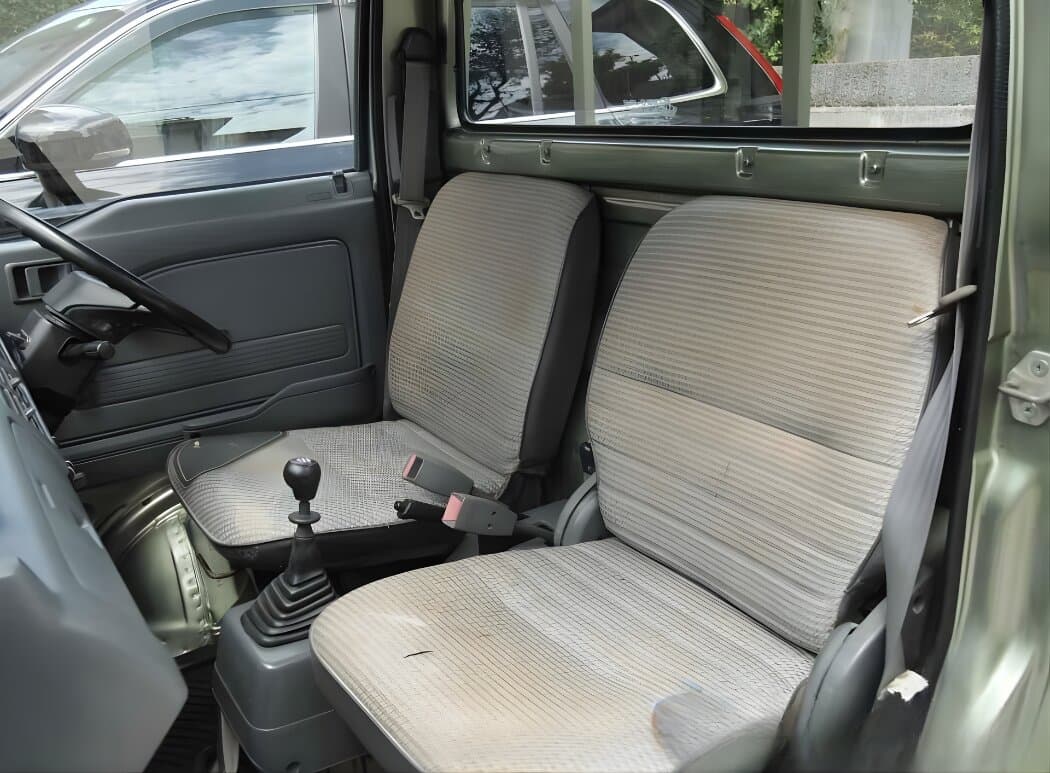
Grade A: Like-new interior. No visible wear, stains, or damage. Rare in older vehicles.
Grade B: Excellent interior. Minor wear consistent with careful use. Perhaps light seat wear or minor marks.
Grade C: Good interior. Normal wear patterns. May have some staining or more visible wear but remains presentable.
Grade D: Below average interior. Noticeable wear, stains, or minor damage. May need cleaning or repair.
Grade E: Poor interior condition. Significant damage or excessive wear. Restoration likely needed.
Interior grades are crucial for vehicles where cabin condition significantly impacts value, such as luxury models or collector vehicles.
Reading the Auction Sheet Diagram
Every auction sheet includes a diagram showing the vehicle from above and from each side. Inspectors mark this diagram with standardized symbols indicating various types of damage:
A (Scratches): A1 = minor, A2 = moderate, A3 = significant scratching
U (Dents): U1 = minor, U2 = moderate, U3 = significant dents
B/W (Waves/Warp): Panel warping or waviness, often indicating prior repair
S (Rust): S1 = surface rust, S2 = moderate rust, S3 = significant corrosion
P (Paint): Paint damage, fade, or poor-quality repaint
X (Replacement): Indicates a replaced panel
XX: Indicates a panel requiring replacement
C (Corrosion): Active corrosion damage
Understanding these symbols allows you to visualize exactly where damage exists and how severe it might be—essential information for making informed decisions.
What Grades Should You Target?
Your target grade depends on your intended use and budget:
For Collectors and Enthusiasts: Target Grade 4.5 or higher with A or B interiors. The premium for excellent condition is justified by resale value and ownership satisfaction.
For Daily Drivers: Grade 4 to 4.5 offers the best value proposition—solid vehicles with honest wear at reasonable prices.
For Work Vehicles: Grade 3.5 to 4 can work well when function matters more than appearance. Kei trucks and utility vehicles in this range often have years of service life remaining.
For Project Vehicles: Grade 3 or lower can provide a solid foundation if you're prepared for restoration work.
At JDM Direct, we generally focus on Grade 3.5 and above, ensuring our customers receive vehicles that are ready to enjoy without immediate major work.
Beyond the Grade: What Else to Consider
While grades provide valuable guidance, experienced buyers look beyond the number:
Service History: A well-documented service history can indicate excellent mechanical care even if the exterior shows wear.
Modification History: Modified vehicles (often marked with ★) may have unknown changes that affect reliability.
Regional Origin: Vehicles from northern Japan (Hokkaido) may have more rust protection but also more road salt exposure. Southern vehicles often have less corrosion but more sun damage.
Mileage Context: A Grade 4 vehicle with 50,000 km tells a different story than a Grade 4 with 150,000 km.
Auction House Reputation: Some auction houses are known for stricter grading than others. Learning these nuances comes with experience.
Japanese auction grades provide a standardized, transparent framework for evaluating vehicle condition—something sorely lacking in most used car markets. By understanding this system, you can make informed purchasing decisions with confidence.
At JDM Direct, we translate this expertise into every vehicle we offer. We carefully review auction sheets, verify grades through our own inspection network, and provide honest assessments to our customers. When you see a vehicle in our inventory, you can trust that we've done the homework to ensure it meets our standards.
Have questions about a specific vehicle's auction grade? Contact us—we're happy to walk you through what the numbers and symbols mean for your potential purchase.
Stay Updated
Get the latest JDM insights, new arrivals, and exclusive content delivered to your inbox.
Stay Updated on New Arrivals
Get notified when fresh JDM legends arrive in our inventory
We respect your privacy. Unsubscribe anytime.
Latest Posts

Our Story: Bringing Authentic JDM Culture to Puerto Rico
From the bustling auction houses of Japan to the vibrant roads of Puerto Rico, discover how passion for Japanese automotive excellence became JDM Direct's mission.
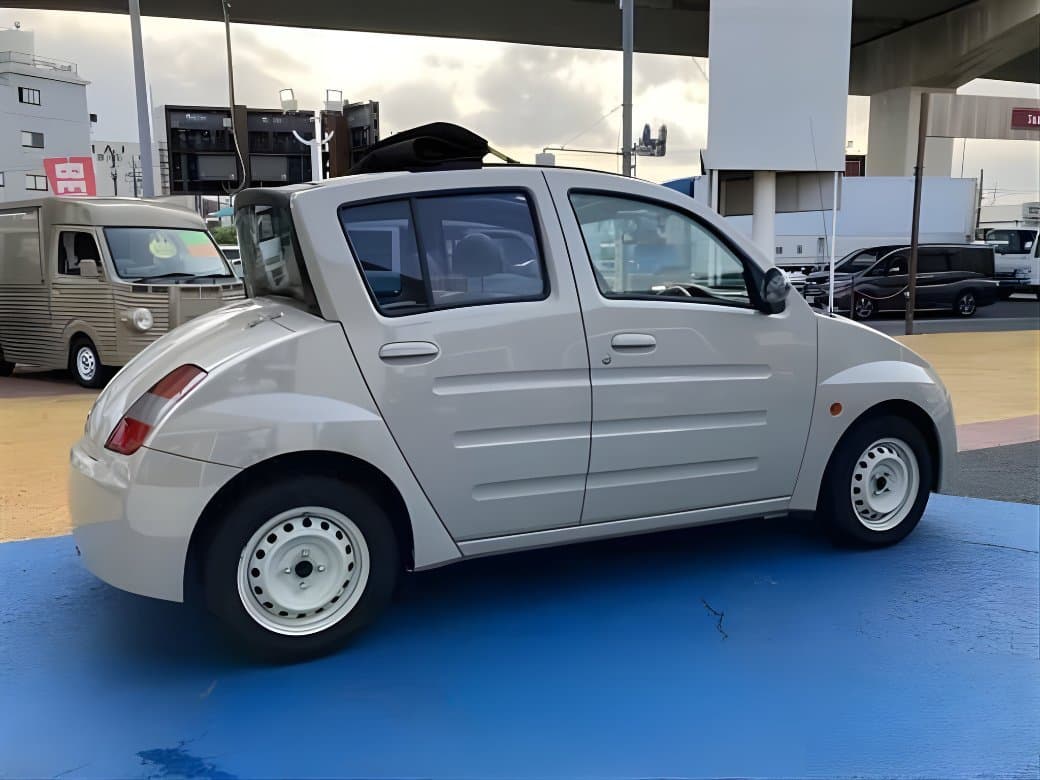
Forget the Mainstream: The 2000 Toyota Will Vi Cambus Top Is the JDM Objet d'Art You've Been Hunting
The 2000 Toyota Will Vi Cambus Top isn't just another used car—it's a preserved time capsule of Y2K Japanese design philosophy. With only 16,000 units produced, this rare Japan-only sedan represents automotive history at its most unique.
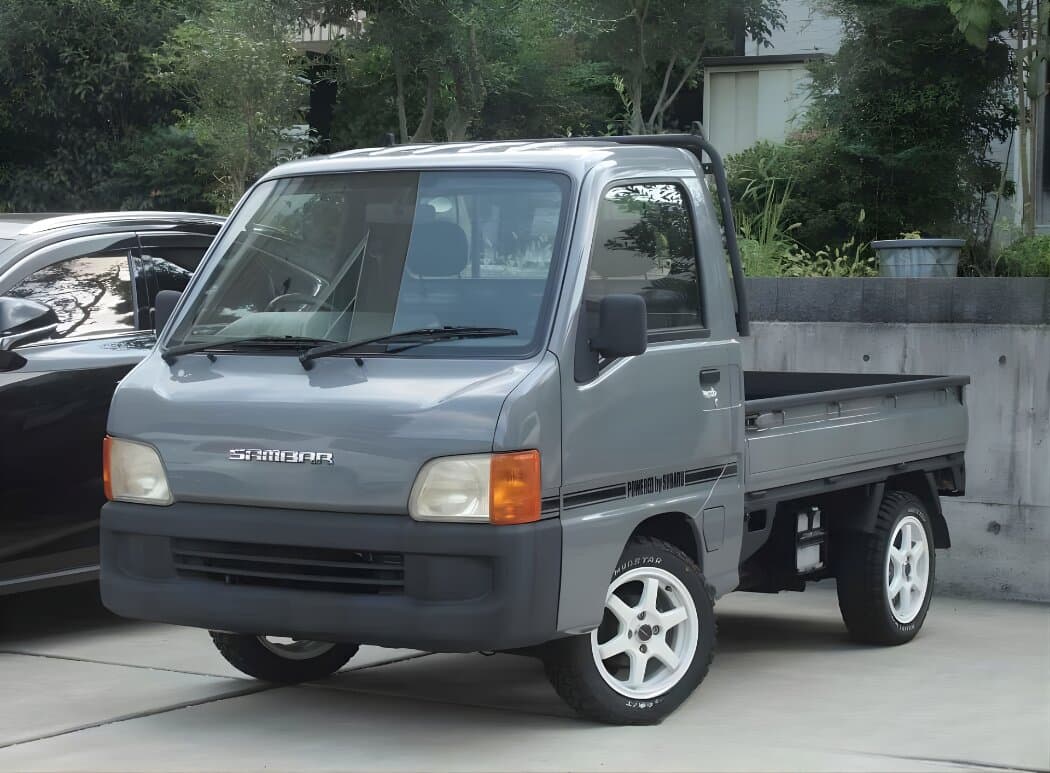
Kei Trucks: The Ultimate Guide to Japan's Mini Workhorses for Puerto Rico
Discover why Japanese Kei trucks are becoming the go-to choice for farmers, landscapers, and small business owners in Puerto Rico. Compact, efficient, and surprisingly capable.